


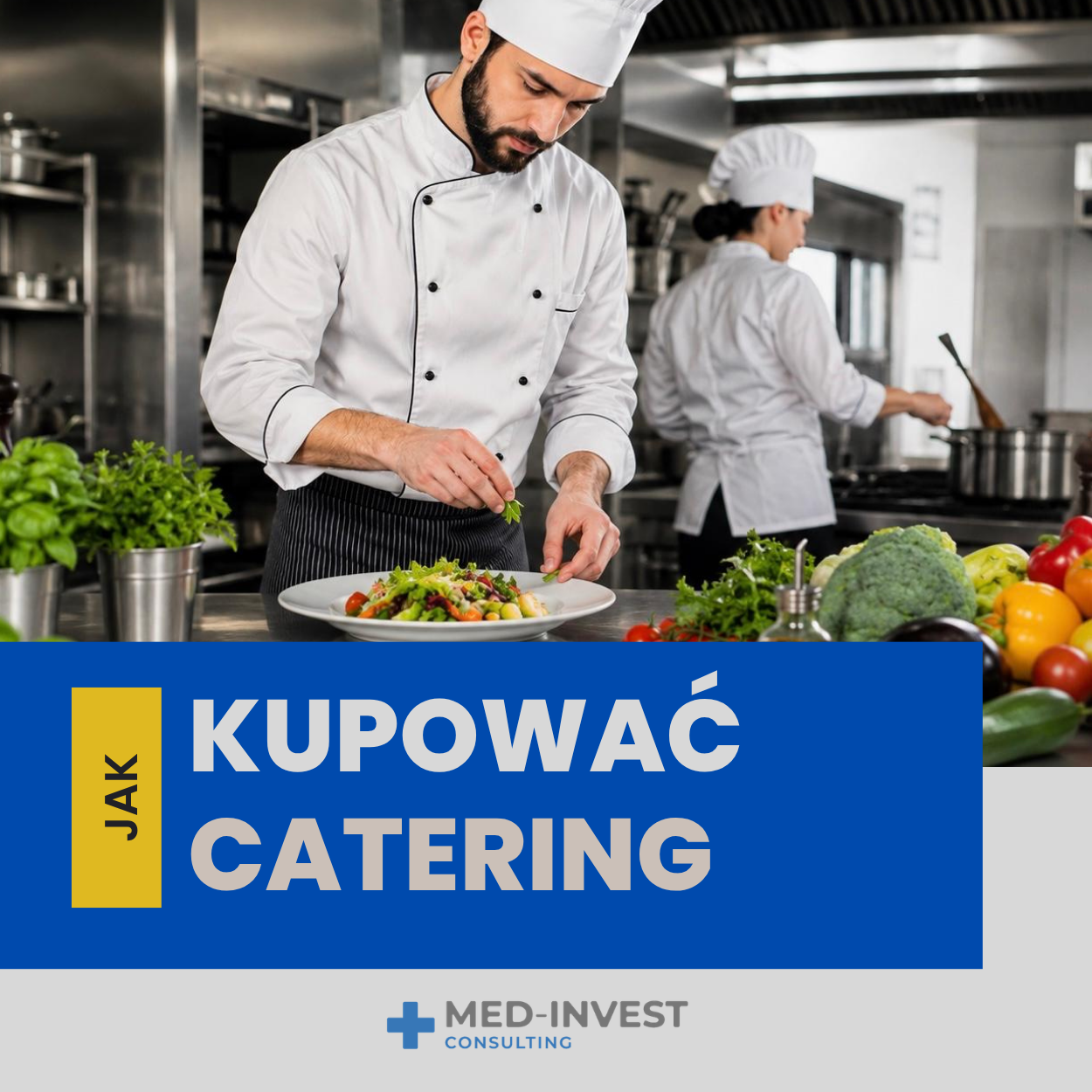
At first glance, procuring CATERING SERVICES may seem like one of the simplest purchasing processes. Preparing a request for proposal (RFP), reviewing bids, negotiating terms, signing the contract, and the process appears complete.
However, practice shows that this is precisely the stage at which many healthcare organizations make costly mistakes.
An Excel spreadsheet can capture numbers – but it cannot assess the taste of meals, their temperature upon delivery, the presentation quality, or whether the diet truly meets patients’ nutritional needs. Financial indicators alone cannot measure these factors either. Ultimately, the final assessment will be made by patients, residents, their families, and healthcare professionals.
In many cases, apparent savings achieved during a tender or negotiation process are quickly offset by complaints, the need for operational adjustments, patient dissatisfaction, or issues with timely service delivery. As a result, healthcare providers incur not only additional costs but also the risk of reduced quality of care and damage to their reputation.
Nutrition is part of the treatment process
In healthcare, nutrition is far more than a support service. It is an integral component of the therapeutic process that directly influences treatment outcomes, recovery, and the overall comfort of patients, residents, and long -term care recipients.
A well -balanced diet supports recovery, reduces the risk of complications, and improves the well -being of individuals staying in healthcare facilities. In nursing homes and senior living communities, the quality of nutrition also has a significant impact on residents’ daily quality of life and on how families perceive the entire facility.
For this reason, selecting a catering provider should be regarded as a strategic decision rather than simply purchasing the lowest-priced service.
What should you consider when selecting a catering provider?
Price is undoubtedly an important evaluation criterion, but it should never be the only one. Far greater importance should be placed on the Total Cost of Ownership (TCO) of the service and its impact on the overall quality of care.
Before making a decision, it is worth evaluating, among other factors:
– production, transportation, and meal distribution standards, as well as compliance with the HACCP Food Safety Management System,
– proven experience in serving hospitals, clinics, nursing homes, and other healthcare or long -term care facilities,
– the ability to prepare specialist therapeutic diets and accommodate individual nutritional requirements,
– the quality of ingredients, supply chain reliability, and the results of sanitary inspections and quality audits,
- the provider’s approach to service quality monitoring, patient and resident satisfaction surveys, and responsiveness to complaints and service issues,
– the qualifications of the personnel responsible for service delivery and their ability to cooperate effectively with medical staff and clinical dietitians.
A well-designed procurement process reduces risk
In practice, it is also advisable to conduct reference visits to the supplier’s existing clients, inspect the production facility, and evaluate the logistics process. This provides valuable insight into the actual quality of the service before signing a contract.
Equally important is the proper preparation of the procurement documentation.
Clearly defined quality requirements, measurable Key Performance Indicators (KPIs), transparent service monitoring procedures, and well – established mechanisms for addressing non -compliance significantly reduce operational risks throughout the contract period.
Professional procurement does not end with selecting the supplier. It begins with accurately defining organizational needs and continues throughout the entire partnership – from selecting the catering provider to ongoing cooperation, performance monitoring, and continuous quality improvement.
Conclusion
In healthcare, high -quality nutrition should never be viewed merely as a cost. It is an investment in patient health, residents’ well -being, staff efficiency, and the overall quality of healthcare services.
For this reason, healthcare organizations should choose partners who offer not only competitive pricing but, above all, reliability, food safety, consistent quality, and full accountability for the services they provide.