


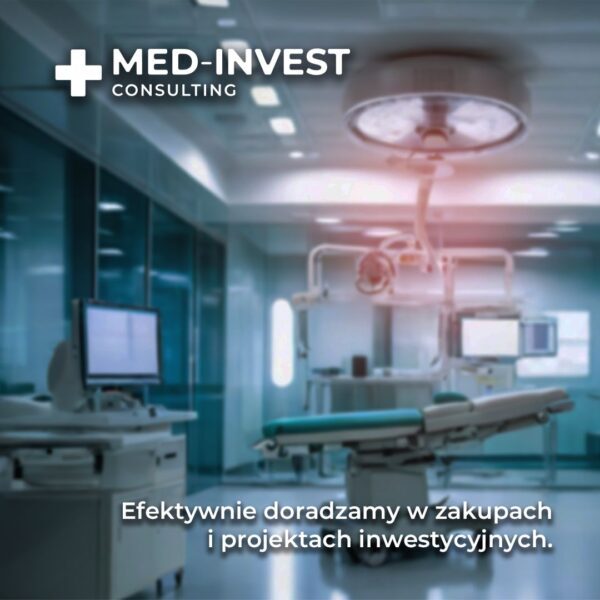
As we approach the end of 2024 and witness the dynamic development of technology alongside the growing healthcare needs of society, effective project management in equipping healthcare facilities, including comprehensive hospital equipping, becomes particularly important. A key element is considering the rapidly changing needs of the healthcare sector. Modern technologies, such as surgical robotics, automated diagnostic systems, and advanced imaging technologies, should be integrated into these projects. Proper planning for their integration is crucial to ensure not only operational efficiency but also a high standard of patient care.
Another aspect is designing spaces with the users in mind. When designing and planning modern operating rooms, other hospital areas should not be overlooked, where patient and medical staff comfort and safety are top priorities. Spaces should be ergonomically designed, with appropriate access to equipment and barrier-free access for individuals with limited mobility. Processes should be optimized to reduce the time needed for preparation and concluding procedures.
Additionally, a significant aspect is environmental responsibility. In planning new projects, sustainability becomes a critical element that impacts not just the facility’s image but also its long-term development. It is worthwhile to consider using environmentally friendly construction materials, including renewable energy sources. This approach not only reduces the carbon footprint but can also contribute to lowering operational costs.
Equally important is cooperation and communication among all stakeholders involved in the project—from architects and engineers to representatives of the medical staff. Creating an integrated team with shared goals facilitates the early identification of potential challenges and enables quicker implementation of necessary modifications.
In summary, when planning new hospital projects, it is essential to consider technological innovations, user ergonomics, sustainability, flexibility, and effective communication within both the project and medical teams.